
Nashville Area Mountain Bike Trails
What Makes Middle Tennessee Unique
• Jump and Flow - Cedar Hill is known for jump and flow lines.
• Big XC Days - Jones Mill and Lock 4 offer deep cross-country riding.
• Technical Challenge - Barfield delivers boulder garden-style terrain.
• Scenic Riding - Percy Warner stands out for breathtaking beauty and foliage.
• Bike Park Hub Feel - Smith Park in Brentwood offers a multi-line riding experience.
Welcome to Nashville, Tennessee
From limestone rock gardens to fast lakeside singletrack, Middle Tennessee packs an incredible variety of mountain biking into the hills, cedar glades and forests surrounding Nashville.
Within an hour of downtown, riders can find everything from beginner-friendly flow and classic cross-country singletrack to technical limestone, purpose-built jumps, steep descents and advanced rock features.
What Middle Tennessee lacks in mountain-sized elevation, it makes up for in variety. Ride the rocky ledges of Barfield, flow along Old Hickory Lake at Lock 4, explore cedar glades at Jones Mill, climb through the forests of Percy Warner, experience the new-generation trail design at Smith Park or test your progression at Cedar Hill.
These trails exist because of partnerships between land managers, local governments, volunteers, riders and SORBA Mid TN. Whether you're visiting Nashville for a weekend or you've lived here for years, this guide will help you discover some of the best dirt Middle Tennessee has to offer.
Middle Tennessee Trail Systems
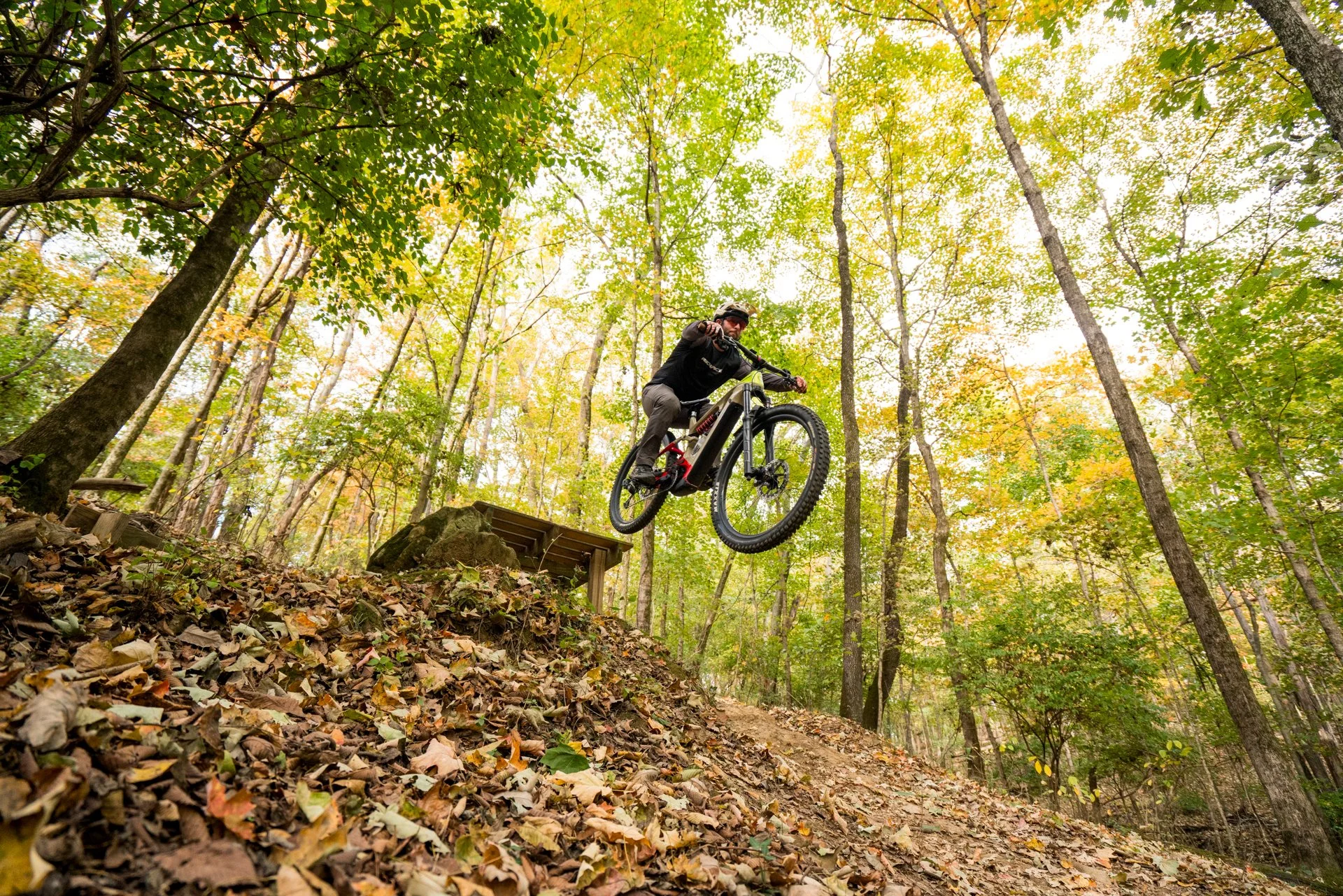
Lock 4
9 miles total
Beginner - Advanced
Best for: Lakeside XC | Flow | Features and more
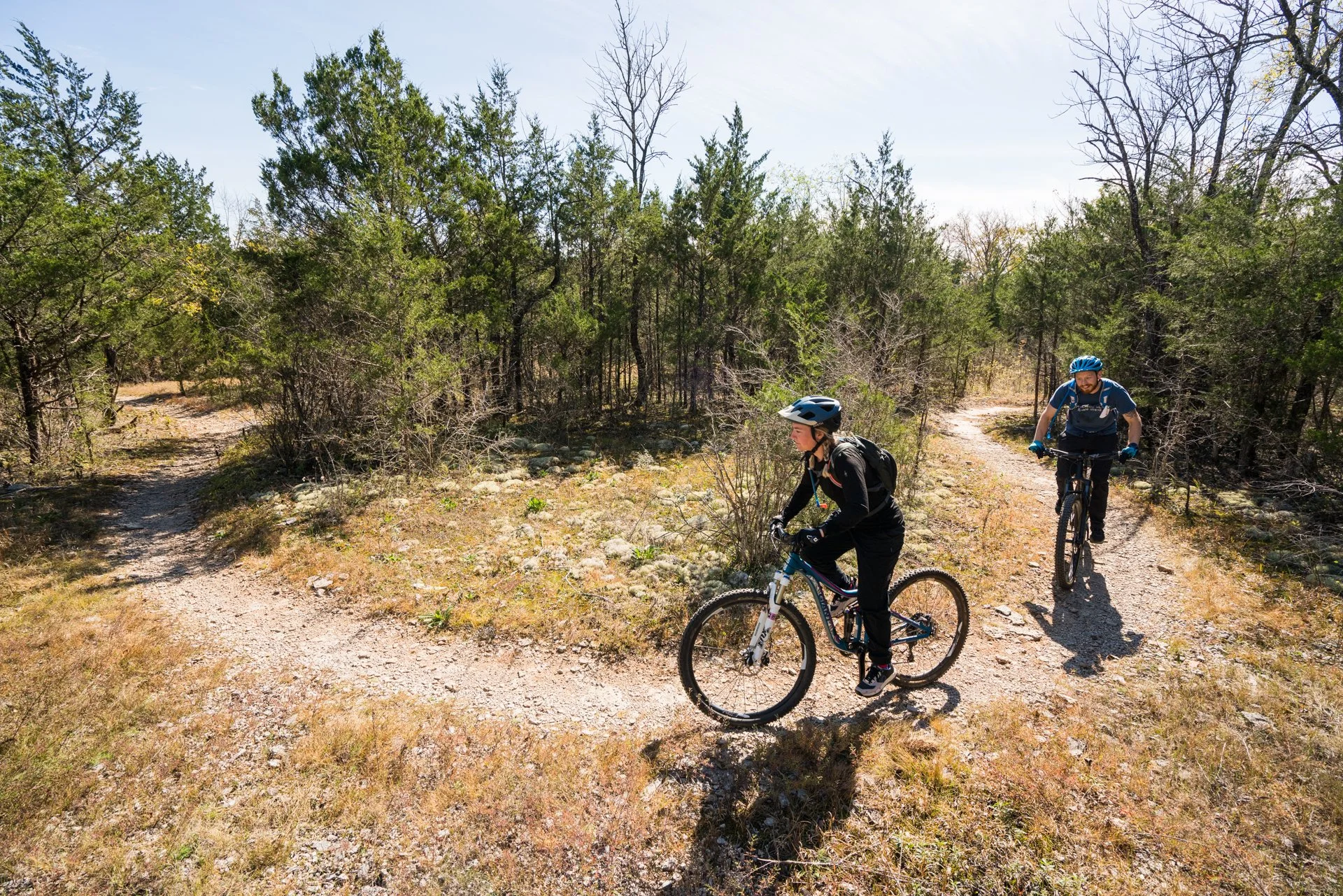
Jones Mill
9 miles total
Beginner-Intermediate
Best for: Cedar Glades | Natural XC | Limestone
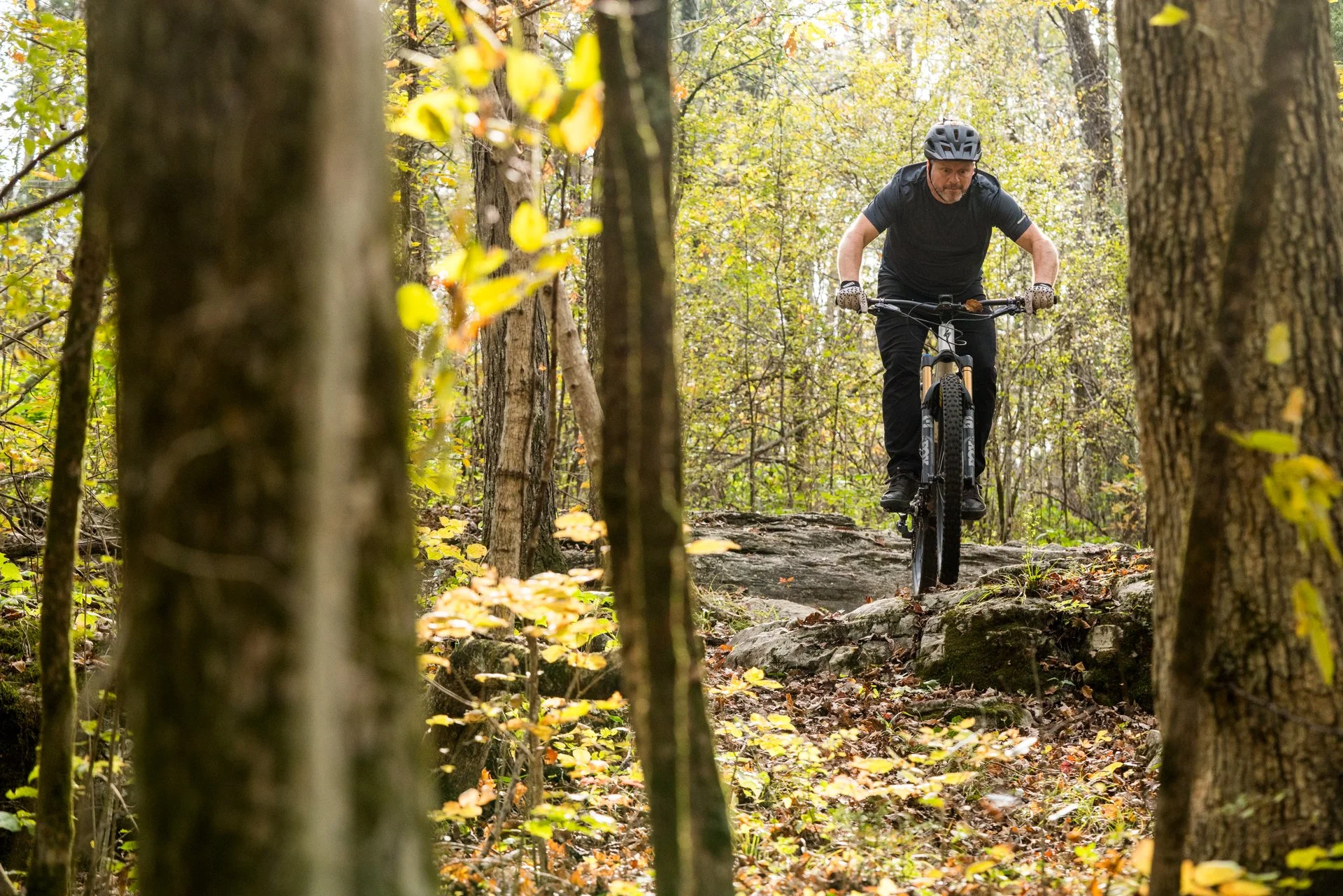
Barfield Crescent
7+ miles total
Intermediate-Advanced
Best for: Rock Gardens | Ledges | Technical XC
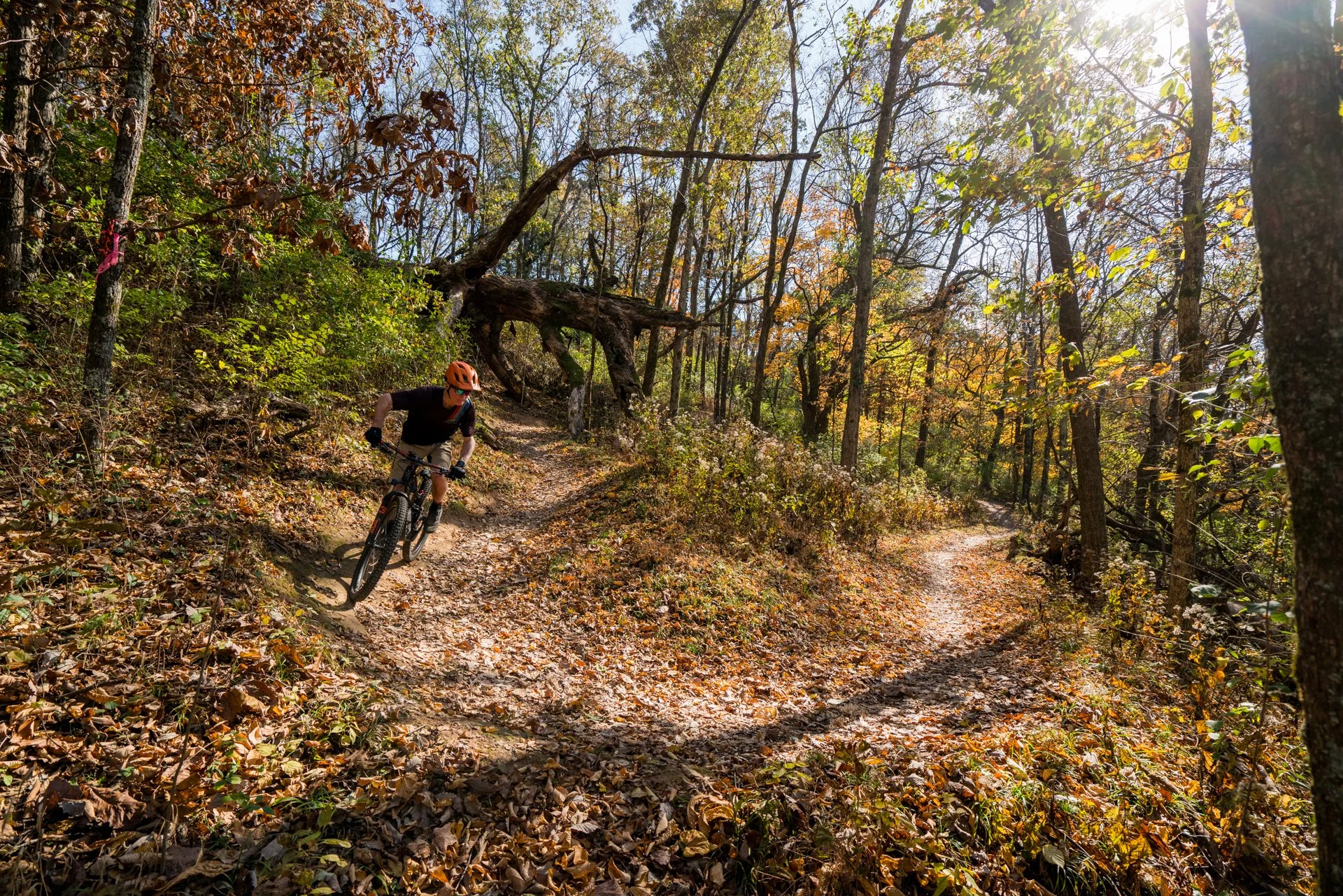
Smith Park
7 miles total
Beginner - Advanced
Best for: Flow | Rock | Progression
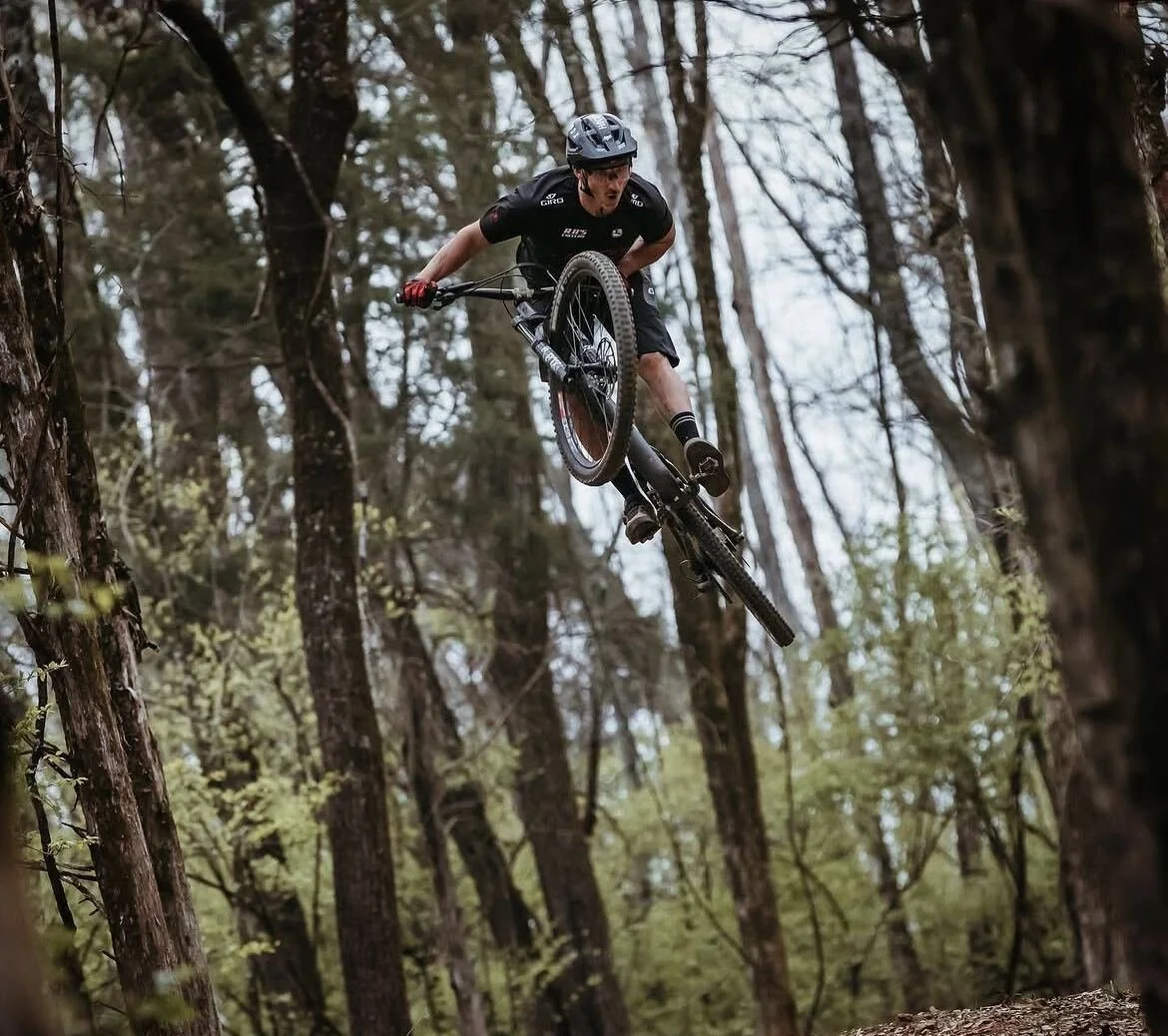
Cedar Hill
8 miles total
Beginner - Expert
Best for: Flow | Jumps | Gravity | XC
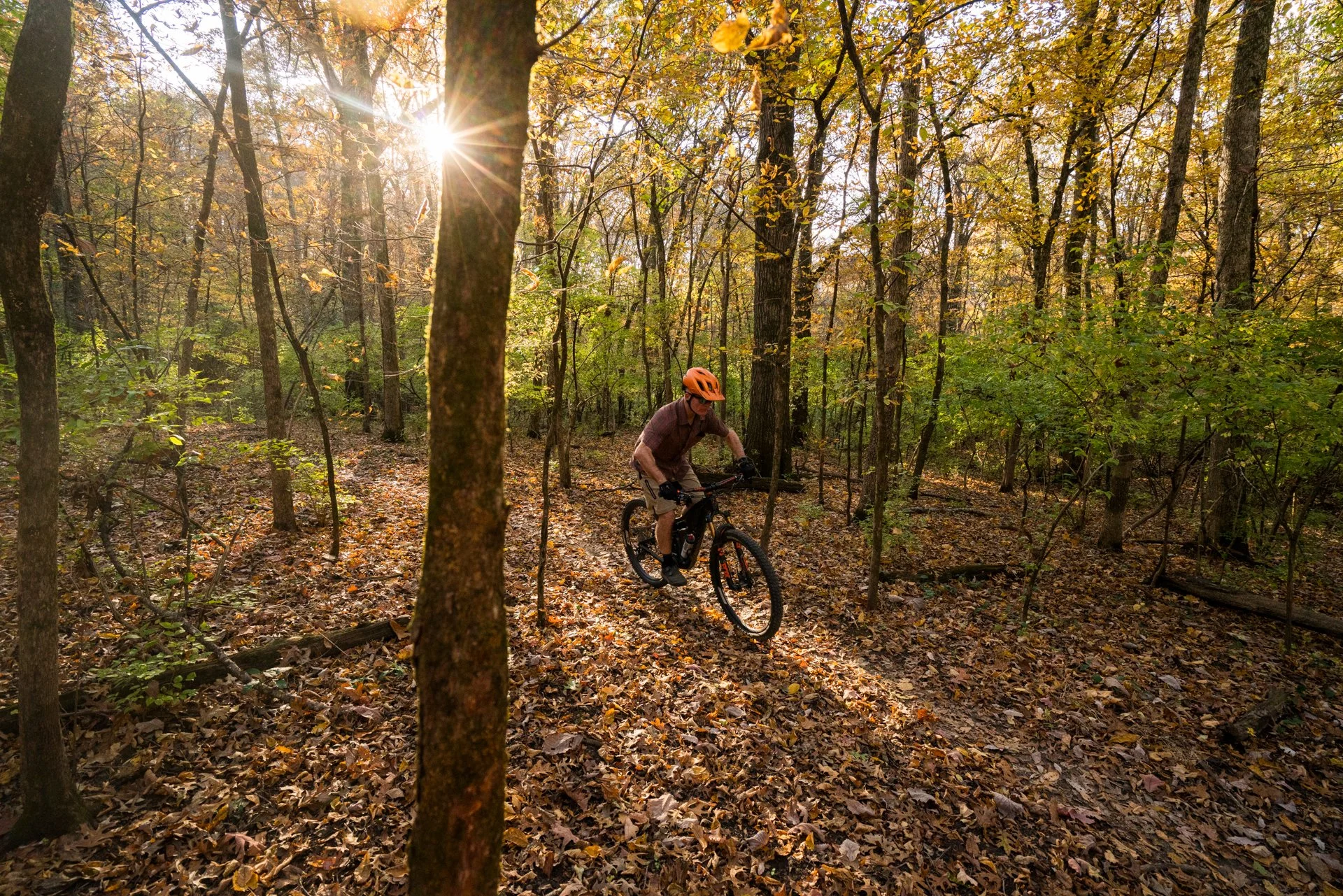
Percy warner
8 miles total
Beginner - Advanced
Best for: Climbing | Urban Wilderness | XC
Trail System Overview
From First Rides to Full Send
Middle Tennessee offers a diverse mix of trail systems spread across city, county, state, federal and private lands. Trails are generally color-coded using standard IMBA difficulty ratings:

Beginner/novice cyclists who are developing their off-road riding skills.
Trail and Surface Types
Relatively flat and wide but can be rolling with short climbs, short descents and narrow single-track sections.
Trail surfaces can include gravel, dirt, wood bridges, and grass sections.
Trail surface may include rocks, roots, berms and rollers.
Suggested Fitness Level
Suitable for most people in good health.

Intermediate cyclists/mountain bikers with off-road riding skills and the ability to navigate challenging terrain.
Trail and Surface Types
Moderately steep climbs and descents with the potential for increased speed and jumping.
Trail surface is commonly gravel and dirt with bermed corners and rollers.
Will have uneven surfaces such as large rocks, roots, rock-armoured sections and wood features.
Suggested Fitness Level
Higher level of fitness and stamina.

Advanced mountain bikers with the ability to navigate very challenging terrain at high speeds.
Trail and Surface Types
Steep climbs and descents with difficult trail features.
Advanced technical features including jumps and drops with a high level of risk.
Trail surfaces can include rough rock sections, wood features, gravel and dirt.
Suggested Fitness Level
Very active people used to prolonged effort.

Riders with an elite level of technical ability, skilled bike control, and with advanced jumping ability.
Trail and Surface Types
Very steep climbs and descents with extremely difficult trail features.
Advanced features include mandatory jumps and drops with extreme risk.
Trail surfaces can include rough rock sections, elevated skinnies, exposure, drops and gaps.
Suggested Fitness Level
Very active people used to prolonged effort.
Best Time to Ride
Climate, Weather & Seasonal Tips
Four Seasons. Plenty of Dirt.
Middle Tennessee's climate allows for riding throughout much of the year, but trail conditions can change quickly.
The most important rule: If the trail is closed, don't ride it.
Riding wet trails can create ruts, widen trails and cause damage that requires hours of volunteer work to repair.
Always check current trail conditions before heading out.

Spring (Mar-May)
Spring brings blooming wildflowers, cooler temperatures, and hero dirt. Expect daytime highs in the 60s–70s°F. Rain is common, so check trail conditions and give trails time to dry after storms.

Summer (Jun-Aug)
Summers are hot and humid, with temperatures often in the 80s–90s°F. Early morning or evening rides are best, and shaded trail systems provide respite from the sun.
Fall (Sep-Nov)
Fall is prime riding season. Cooler temps, low humidity, and vibrant foliage make this the most popular time to visit. Expect crisp mornings and daytime highs in the 60s–70s°F.

Winter (Dec-Feb)
Winters are generally mild, with occasional cold snaps or light snow. Many days remain rideable, especially during dry stretches. Expect temps in the 30s–50s°F, making winter a favorite season for locals.
Trail Etiquette
Middle Tennessee’s trails are shared spaces. They are built and maintained through partnerships between volunteers, land managers, and the community. Riding responsibly helps keep trails open, safe, and sustainable for everyone.
Ride Open Trails Only
Always check trail status before heading out. Wet-weather and freeze-thaw closures protect trails from damage and help prevent erosion. Respect all posted signs and temporary closures.
Yield Properly
Mountain bikers yield to hikers and equestrians. When approaching others, slow down, communicate clearly, and pass only when it’s safe and welcomed.
Ride Within Your Ability
Many Chattanooga trails are rocky, technical, and steep. Choose routes that match your skill level and progress responsibly.
Stay On Trail
Cutting switchbacks or riding off-trail causes erosion and damages sensitive habitats. Please stay on designated routes and respect trail boundaries.
Leave No Trace
Pack out what you pack in. Avoid skidding, widening trails, or creating alternate lines. Respect wildlife and keep noise to a minimum.
Be an Ambassador
A friendly wave, clear communication, and courtesy go a long way. How riders behave directly impacts trail access and future development.
Land Managers & stewardship
Middle Tennessee’s trail network exists thanks to collaboration between land managers, local government, nonprofits, and volunteers.
Primary Land Managers Include:
Metro Nashville Parks & Recreation
Tennessee State Parks
City of Gallatin
City of Murfreesboro
City of Brentwood
Local park departments and land managers
SORBA Mid TN
Hundreds of community volunteers
Each land manager has unique rules, priorities, and environmental considerations. Trail access depends on continued trust, responsible use, and active stewardship.
SORBA Middle Tennessee’s Role
SORBA Middle Tennessee partners with land managers to:
Design, build, and maintain sustainable trails
Coordinate volunteer trail work
Advocate for access and responsible land use
Educate riders and grow the trail community
Secure funding for maintenance and new projects
How You Can Support the Trails
Volunteer at trail work days
Become a member of SORBA Middle Tennessee
Donate to trail maintenance efforts
Respect closures and trail guidelines
Share feedback constructively and locally